Travel back to the days when Emperor Franz Joseph I transformed Pula from a forgotten town into the Austro-Hungarian Empire's greatest naval port, and uncover fascinating stories of imperial ambition, groundbreaking inventions, dramatic naval history, and the remarkable multicultural city that once thrived on the Adriatic.
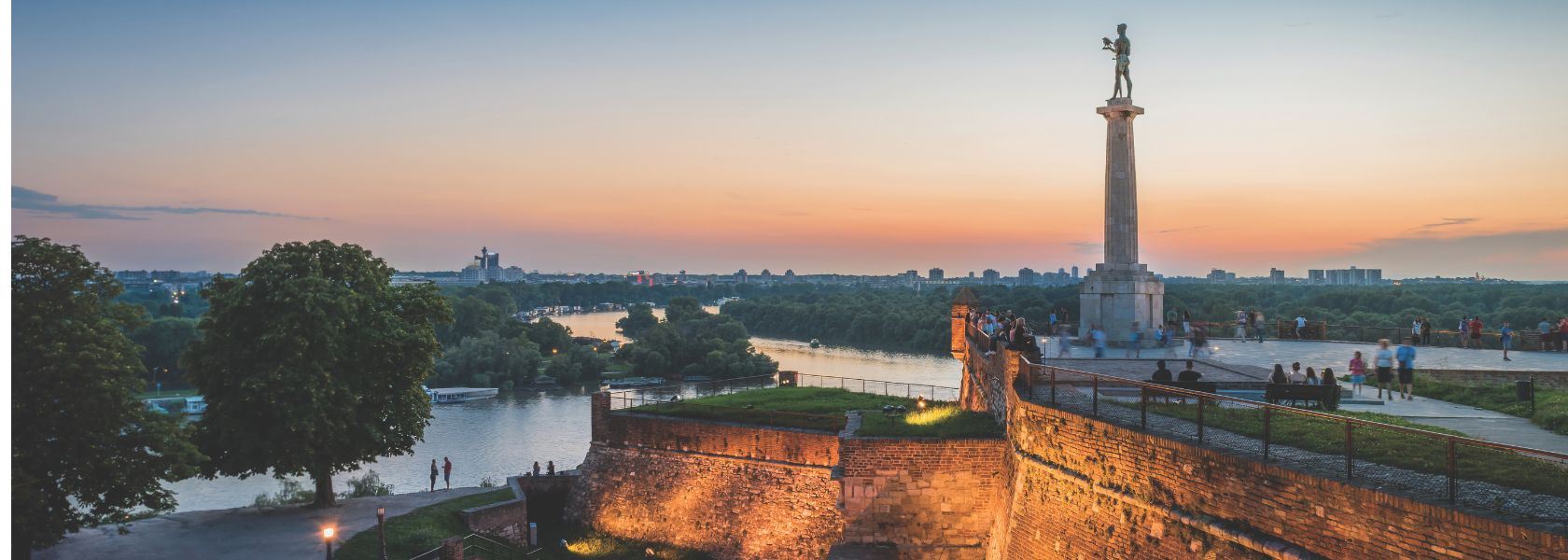
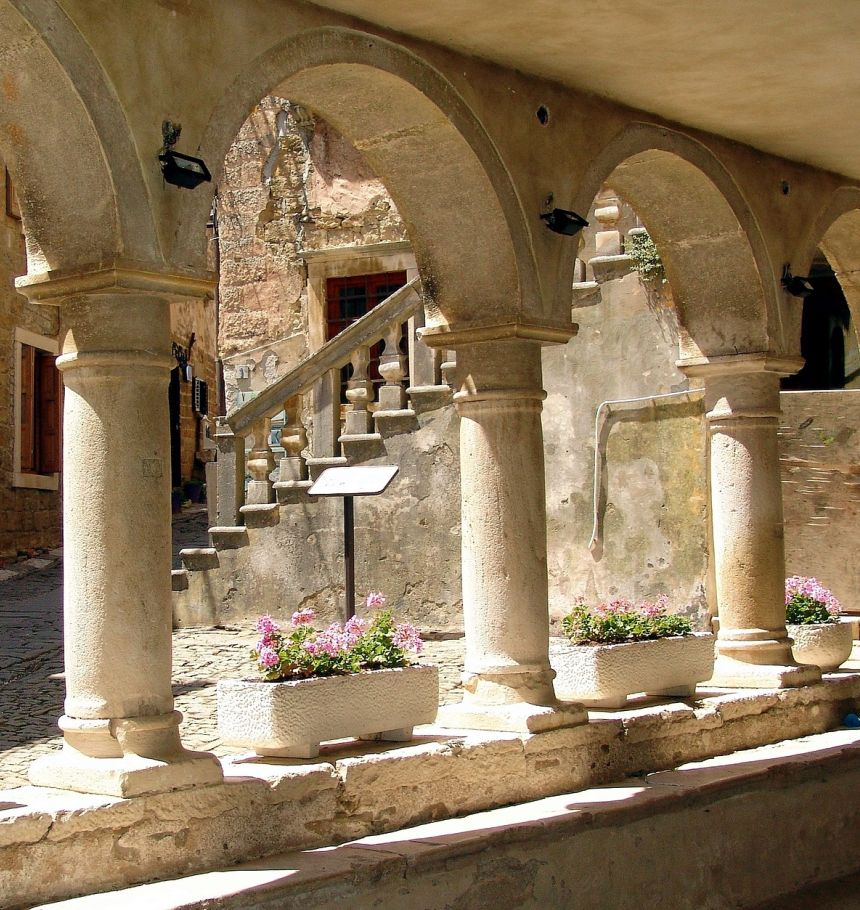
It is said that the emperor Franz Josef I took out his sword and scratched the columns in the Marine church on the day of its opening. When asked what he was doing, the already aging emperor replied he was checking to see if the columns were made of gold because they cost him so much they might as well be golden. The columns were, of course, not made of gold, but what Austria did to Pula was no less spectacular. Pula wasn’t made golden, but what was once a sleepy little town with less than 1000 inhabitants soared under Habsburg rule to almost 60.000 in a little over a century. To the Venetians Pula was known as the corpse city for it was practically empty, destoryed by centuries of war and famine. It’s splendid Roman monuments, the amphitheatre being the most famous, were now but a shadow of their former glory and the city was surrounded by swamp filled with mosquitos that brought malaria into the city. All that was to disappear and Pula was to become a modern city in every aspect. The main reason was the decision of the young emperor in 1853 to choose Pula over Triest for the main harbour of the monarchy, then the second biggest country in Europe, second only to Russia. Pula’s main advantage was its harbour, one of the best in the Mediterranean, and it was indeed this harbour and through it Pula’s connection to navy that shaped the city we know today. On the dawn of the 20th century Pula had a navy shipyard, navy cemetery, a navy jail and courthouse, navy church and a navy library, navy hospital, a club for officers and daily newspapers in Croatian, German and Italian. Come with us on this unique trip to discover a time when more than 20% of the population were soldiers, when the city had a daily railway connection to Vienna, when the harbours was filled with ships of every kind and when Pula was a true Babylon of languages and cultures on the Adriatic.
Among other things you will find out: